
What is bitcoin mining and how does it work?
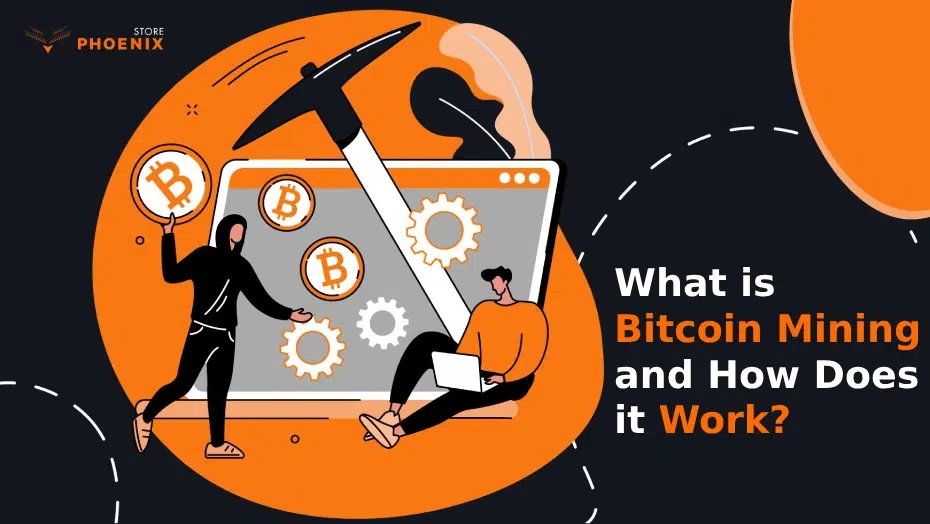
Bitcoin mining is the backbone of the cryptocurrency network, but it’s more than just a way to earn money. It’s a complex process that ensures transactions are verified and added to the blockchain, making Bitcoin secure and decentralized. So, what is bitcoin mining and how does it work?
This guide breaks down the essentials, from mining hardware to the environmental impact, giving you everything you need to understand this crucial aspect of the crypto world.
What is Bitcoin Mining?
Bitcoin mining is the process of verifying transactions on the Bitcoin network and adding them to the blockchain. Miners use powerful computers to solve complex mathematical puzzles, which secure the network and validate transactions. In return for their efforts, miners are rewarded with newly minted bitcoins and transaction fees. This process not only keeps Bitcoin decentralized but also controls the release of new coins into circulation.
How Bitcoin Mining Works?
Bitcoin mining relies on a process called proof of work (PoW), where miners compete to solve cryptographic puzzles using specialized hardware. When a miner successfully solves a puzzle, they add a new block of transactions to the blockchain and receive a reward in bitcoins. This process requires significant computational power and energy, making mining increasingly competitive. Over time, as more miners join the network and the bitcoin mining difficulty increases, solving these puzzles becomes more challenging, ensuring Bitcoin’s security and controlled supply.
The Advantages and Disadvantages of Bitcoin Mining
Bitcoin mining can be a profitable venture, but it also comes with significant challenges that miners must consider.
Advantages:
- Earning Bitcoin Rewards – Miners receive newly minted bitcoins and transaction fees as rewards.
- Decentralization & Security – Mining helps maintain the security and integrity of the Bitcoin network.
- Investment Opportunity – Successful mining operations can be highly profitable, especially with efficient hardware and low energy costs.
Disadvantages:
- High Energy Consumption – Mining requires massive amounts of electricity, leading to environmental concerns.
- Expensive Hardware – Specialized mining equipment (ASICs) is costly and quickly becomes outdated.
- Increasing Difficulty – As more miners join, the competition rises, making it harder to earn rewards without significant investment.
While Bitcoin mining can be lucrative, it comes with challenges that require careful consideration before getting started.
Essential Requirements for Bitcoin Mining
Successful Bitcoin mining requires specialized tools, software, and resources. Here are the key essentials every miner needs.
1- Mining Equipment
Bitcoin mining demands powerful hardware, typically ASIC (Application-Specific Integrated Circuit) miners, designed to handle the high computational requirements. Traditional computers or GPUs are no longer efficient for mining Bitcoin due to the network’s difficulty.
2- Mining Software
Miners need software to connect their hardware to the Bitcoin network. Popular mining software includes CGMiner, BFGMiner, and NiceHash, which help manage mining operations and optimize performance.
📖 Read more: Best Bitcoin mining Software
3- Electricity
Mining consumes a large amount of electricity, making power costs a major factor in profitability. Miners often seek locations with low energy rates or renewable energy sources to reduce costs.
4- Mining Pool
Joining a mining pool allows miners to combine their computing power and share rewards more consistently. Pools like Slush Pool, F2Pool, and Antpool help smaller miners compete with large-scale operations.
📖 Read more: How to join a mining pool?
5- Bitcoin Wallet
A Bitcoin wallet is essential for storing mining rewards securely. Options include hardware wallets (Ledger, Trezor), software wallets (Electrum, Exodus), and exchange wallets for easier transactions.
By ensuring the right equipment, software, and strategies, miners can improve efficiency and maximize their earnings.
What are Bitcoin Miners?
Bitcoin miners are individuals or organizations that use specialized hardware to validate transactions and secure the Bitcoin network. They compete to solve complex mathematical problems, and the first to succeed adds a new block to the blockchain, earning Bitcoin rewards. Miners play a crucial role in maintaining decentralization and preventing fraudulent transactions, making them essential to the Bitcoin ecosystem.
What are Bitcoin Mining Pools?
Bitcoin mining pools are groups of miners who combine their computing power to increase their chances of earning Bitcoin rewards. Instead of mining individually, participants work together to solve complex cryptographic puzzles, and rewards are distributed based on each miner’s contribution. Joining a mining pool helps smaller miners stay competitive against large-scale operations. Popular mining pools include Slush Pool, F2Pool, and Antpool, each offering different payout structures and fees.
📖 Read more: What are mining pools and how they work?
What is Bitcoin Mining Hardware?
Bitcoin mining hardware refers to the specialized devices used to solve complex mathematical problems and validate transactions on the Bitcoin network. Over time, mining has evolved from using standard CPUs to more efficient and powerful equipment.
- ASIC Miners (Application-Specific Integrated Circuits) – The most efficient and commonly used mining hardware, designed specifically for Bitcoin mining. Examples include Antminer S19 and Whatsminer M63S++.
- GPU Miners (Graphics Processing Units) – Once popular for mining, but now mostly used for altcoins, as ASICs outperform them in Bitcoin mining.
- FPGA Miners (Field-Programmable Gate Arrays) – More customizable than ASICs but less common due to the complexity of programming and setup.
Setting up and maintaining mining hardware requires technical knowledge and high energy costs. For a hassle-free solution, miners can opt for a Bitcoin mining hosting service, which provides secure facilities, optimized infrastructure, and professional management to maximize efficiency.
How to Calculate Bitcoin Mining Profitability?
Before starting Bitcoin mining, it’s crucial to assess whether it will be profitable. Several factors influence profitability, including:
- Hardware Efficiency – ASIC miners with high hashrates and low power consumption generate better returns.
- Electricity Costs – Mining requires significant energy, so lower electricity rates improve profitability.
- Bitcoin Price & Mining Difficulty – Fluctuations in Bitcoin’s value and network difficulty impact earnings.
- Pool Fees – If using a mining pool, a percentage of earnings is deducted as a fee.
To accurately estimate potential earnings, miners can use a Bitcoin profitability calculator. This tool helps determine expected returns based on electricity costs, hash rate, and current market conditions, ensuring informed decision-making before investing in mining equipment.
Environmental Impact of Bitcoin Mining
Bitcoin mining consumes a large amount of electricity, contributing to environmental concerns. The energy-intensive process often relies on fossil fuels, which increases carbon emissions. As the network grows and mining difficulty rises, the environmental footprint of Bitcoin mining continues to be a subject of debate.
Regulation of Bitcoin Mining
Bitcoin mining operates in a largely decentralized space, but governments are increasingly focusing on regulating it. Regulations can vary widely by country, addressing issues like energy consumption, environmental impact, and taxation. Some countries, like China, have banned mining, while others, such as the U.S. and Canada, have introduced frameworks to monitor and manage its growth. The evolving landscape of Bitcoin mining regulation seeks to balance innovation with sustainability and legal compliance.
Read more: bitcoin mining uae legal
The Future of Bitcoin Mining
The future of Bitcoin mining is shaped by advancements in technology, regulatory changes, and the increasing demand for energy-efficient practices. As mining difficulty grows, more efficient hardware and renewable energy sources will become crucial to maintaining profitability. Innovations like liquid-cooled mining rigs and the development of green energy mining operations will likely play a significant role in reducing Bitcoin mining’s environmental impact. With evolving regulations, the industry may become more sustainable, transparent, and integrated with global financial systems.
Begin Your Bitcoin Mining Journey with Phoenix Store
Starting your Bitcoin mining journey can be challenging, but with the right tools and support, it becomes more manageable. Phoenix Store offers everything you need, from specialized mining hardware to hosting services, ensuring a smooth and profitable mining experience. Whether you’re a beginner or an experienced miner, their solutions cater to your needs. If you’re located in or near Dubai, consider exploring Bitcoin mining in Dubai for tailored services and expert guidance to maximize your mining efforts.
Conclusion
Understanding what is bitcoin mining and how does it work is key to navigating the world of cryptocurrency. While mining can be profitable, it requires the right equipment, strategy, and an understanding of the environmental and economic factors involved. With the right tools and approach, Bitcoin mining can become a rewarding venture.
 Bitcoin VS Ethereum Mining: which one is better?
 »
»